

Author’s Note: We’ve been sitting on this observation forever. Didn’t really know what to do with it. Still don’t. Here’s the sitch…there was mysterious megaliths, enigmatic elongated skulls AND human sacrifice in Malta and Nazca at a time when humans had somewhat abandoned the practice.
Then the Nazis came along and built a crypt suspiciously similar to the one in Malta. What does it mean? Eh, not sure yet. But the fact that all of these things involved UAP, occult or shamanistic practices and 2 out of 3 sites involved human sacrifice (the third involved mass genocide…at the very least) is weird. Really weird.
We looked pretty hard for evidence of ritual sacrifice during World War 2 and couldn’t find anything reliable. If you come across something like that…let us know…anywho….on with the show…
Introduction
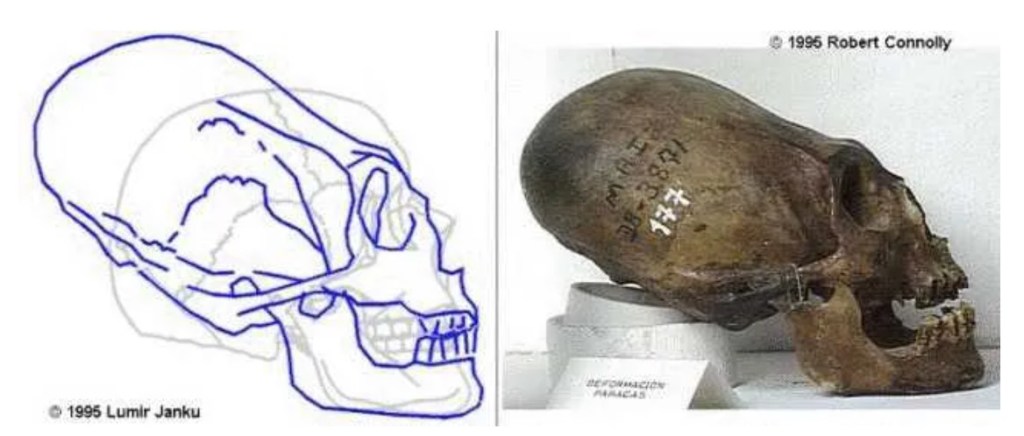
When we look through the anomalous events of history, a few observations become apparent. Among these are the elongated skulls discovered in the distant lands of Peru and Malta, skeletal remains that challenge our understanding of human evolution and ancient cultural practices. These skulls, nestled alongside grand megalithic constructions and extensive subterranean tunnels, whisper tales of civilizations long past.
The presence of human sacrifice further entangles these mysteries, hinting at rituals and beliefs that shaped these ancient worlds. Join us as we unravel the threads of this complex tapestry, exploring the profound connections between these archaeological marvels and the civilizations that created them.
Human Sacrifice: Historical Contexts and Practices
Malta: Ħal Saflieni Hypogeum
The Ħal Saflieni Hypogeum, dating back to the Neolithic period (circa 4000-2500 BCE), is an underground burial complex in Malta that reflects advanced engineering and significant ritualistic practices, including potential human sacrifices.
Purpose and Ritual Significance:
- Ceremonial Use: The Hypogeum was likely used for religious and spiritual ceremonies. The presence of elongated skulls and other remains suggests that human sacrifices might have been part of these rituals, aimed at appeasing deities or ancestors (Evans, 1971).
- Elongated Skulls: These skulls have sparked debates about their origins—whether they resulted from cranial deformation practices or genetic traits. The true purpose and nature of these skulls remain subjects of ongoing research and speculation.
Controversies and Revisions:
- Initial Estimates: Early reports suggested large numbers of sacrificed individuals, leading to sensational claims. However, subsequent studies have revised these numbers downward, indicating that many remains were part of regular burial practices rather than sacrifices.
Nazca, Peru: Geoglyphs and Ritual Sites
The Nazca civilization, which flourished from approximately 100 BCE to 800 CE, is renowned for its enigmatic geoglyphs and ritual sites, where human sacrifices were integral to their religious practices.
Purpose and Ritual Significance:
- Religious Offerings: Human sacrifices were conducted to appease deities, ensure agricultural fertility, and respond to environmental challenges. Sites like Pachacamac and Huanchaquito-Las Llamas have yielded evidence of these practices (Prieto et al., 2019).
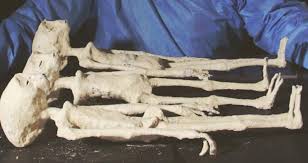
- Anomalous Remains: The controversial mummies presented to the Mexican Congress in 2023, characterized by their three fingers and toes, have added to the mystery of Nazca’s practices. Most scientific analyses suggest these mummies are human, possibly manipulated post-mortem to appear more exotic (Live Science, 2023).
Controversies and Revisions:
- Exaggerated Numbers: Similar to Malta, early reports often exaggerated the number of sacrifices, leading to sensational interpretations. Rigorous archaeological work has since provided a more accurate picture of the scale and frequency of these practices.
Megalithic Constructions and Astronomical Knowledge
Malta: Advanced Engineering and Celestial Alignments
Malta’s megalithic temples, including the Hypogeum, Ġgantija, Ħaġar Qim, and Mnajdra, showcase advanced engineering and precise celestial alignments.
Architectural Features:
- Sophisticated Techniques: These structures were built using large limestone blocks arranged in complex layouts. The Hypogeum’s Oracle Room, known for its unique acoustics, suggests a deep connection to both the physical and metaphysical realms (Debertolis et al., 2015).
- Astronomical Alignments: The temples align with solstices and equinoxes, reflecting a sophisticated understanding of astronomy.
Cultural and Religious Significance:
- Spiritual Centers: These temples served as centers for religious and ceremonial activities, possibly linked to ancestor worship and fertility rites.
Nazca: Geoglyphs and Ritual Architecture
The Nazca Lines and ceremonial centers like Cahuachi demonstrate advanced knowledge of astronomy and landscape engineering.
Architectural Features:
- Geoglyphs: Created by removing surface stones, the Nazca Lines form large geoglyphs that can only be fully appreciated from the air. These include geometric shapes, animal figures, and humanoid designs.
- Adobe Structures: Cahuachi includes large pyramids and platforms used for gatherings and rituals, constructed with adobe bricks adapted to the desert environment (9News, 2023).
Cultural and Religious Significance:
- Ritual Sites: The geoglyphs and structures were used for religious rituals, agricultural rites, and possibly to mark astronomical events, highlighting the Nazca’s belief in a connection between the terrestrial and celestial realms.
Anomalous Humanoid Remains
Elongated Skulls in Malta
The discovery of elongated skulls at the Hypogeum has fueled debates about their origins and significance.
Theories and Interpretations:
- Cranial Deformation vs. Genetics: Some researchers suggest the elongated skulls resulted from deliberate cranial deformation, while others propose genetic traits unique to the population that built the Hypogeum.
Cultural Context:
- Symbolic Significance: The elongated skulls likely held significant cultural and spiritual meaning, symbolizing a connection to the divine or the ancestors.
Anomalous Mummies in Nazca
The controversial mummies in Nazca, characterized by three fingers and toes, have added to the mystery of Nazca’s ancient practices.
Scientific Analyses:
- Human Manipulation: Most analyses suggest these mummies are human, possibly manipulated post-mortem to appear more exotic. Despite the controversies, they highlight the fascination with Nazca’s practices and their potential cosmological connections (Live Science, 2023).
Cultural Context:
- Ritualistic Value: Whether manipulated or naturally anomalous, these remains were likely part of broader human sacrifice practices in Nazca, intended to enhance their perceived value as offerings to the gods.
Nazi Interest in the Occult, UAP, and Ritualistic Constructions
Wewelsburg Castle: The Crypt
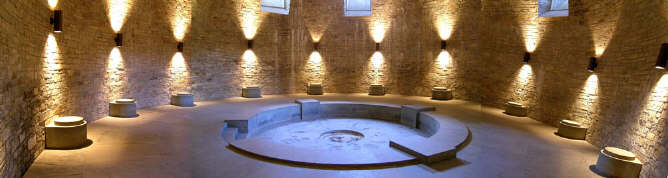
During World War II, Heinrich Himmler repurposed Wewelsburg Castle to serve as a ceremonial center for the SS, reflecting the Nazi regime’s fascination with the occult and mystical traditions.
Architectural Features:
- Design and Symbolism: The Crypt, located beneath the north tower, was designed as a circular vault with a central stone pedestal, intended to evoke a sense of mysticism and connect SS leaders with ancient Germanic and Teutonic traditions. It bears some similarities to the vaults of Malta.
Occult and UAP Research:
- Nazi Fascination: The Nazi regime’s interest in the occult and UAP phenomena is well-documented. Himmler and other Nazi leaders believed in a mystical connection to ancient traditions and sought to create a new mythos around the SS.
Comparative Analysis: Malta, Nazca, and Nazi Rituals
Similarities
- Ritualistic Practices and Human Sacrifice:
- Both Malta and Nazca practiced human sacrifice as part of their religious and ceremonial life. These sacrifices were deeply embedded in their spiritual beliefs and aimed at appeasing deities or ancestors.
- The Nazis, particularly through Heinrich Himmler’s SS, exhibited a keen interest in occult practices and rituals, although there is no direct evidence they practiced human sacrifice at Wewelsburg Castle.
- Megalithic Constructions and Monumental Architecture:
- Malta’s megalithic structures and the Hypogeum reflect advanced stone masonry techniques and celestial alignments.
- Nazca’s geoglyphs and adobe pyramids demonstrate advanced knowledge of engineering and astronomy.
- The Nazis’ construction of the Crypt at Wewelsburg Castle echoes the monumental and ritualistic architecture of these ancient sites.
- Anomalous Humanoid Remains:
- Both Malta and Nazca have yielded remains that some consider anomalous or non-human. The elongated skulls in Malta and the controversial mummies in Nazca suggest unique practices or genetic traits.
Differences
- Geographic and Cultural Contexts:
- Malta’s Neolithic culture and Nazca’s pre-Columbian civilization developed independently, separated by vast geographical distances and distinct cultural histories.
- The Nazi regime’s appropriation of occult traditions was influenced by contemporary pseudoscience and ideological ambitions, rather than an organic cultural development.
- Construction Techniques and Materials:
- Malta’s structures were built using large limestone blocks, while Nazca’s constructions utilized adobe bricks.
- The Crypt at Wewelsburg Castle was constructed using modern materials and engineering techniques.
- Purpose and Symbolism:
- The religious practices in Malta and Nazca were rooted in their respective cultures’ spiritual beliefs and cosmologies, aimed at ensuring the community’s prosperity and harmony with the cosmos. These practices were naturally integrated into their everyday life and spiritual worldviews.
- In contrast, the Nazi use of Wewelsburg Castle was driven by ideological motives, aiming to create a mythic and unifying narrative around the SS and Nazi ideology. This involved appropriating and distorting ancient symbols and traditions to fit their contemporary political and racial agenda.
Connections to UAP Phenomena
Malta and Nazca: Ancient Astronomical Alignments and UAP Sightings
Both Malta and Nazca have been sites of significant UAP interest, partly due to their advanced astronomical alignments and ritualistic significance.
- Malta:
- The megalithic temples and the Hypogeum exhibit precise alignments with celestial events such as solstices and equinoxes. This sophisticated understanding of astronomy suggests a deep connection between the ancient Maltese culture and the cosmos, potentially linked to UAP phenomena through historical sightings and legends of “sky gods” (Debertolis et al., 2015).
- Nazca:
- The Nazca Lines, visible from the air, are believed to be aligned with various astronomical phenomena. The scale and complexity of these geoglyphs indicate that the Nazca people had significant knowledge of the stars, possibly linked to their religious practices and UAP sightings. Ancient legends often speak of beings from the sky, which aligns with modern UAP encounters in the region (9News, 2023).
Nazi Occult Research and UAP Interest
The Nazi regime’s interest in the occult and UAP phenomena is well-documented, with Wewelsburg Castle serving as a focal point for these esoteric pursuits.
- Occult Practices:
- Heinrich Himmler and the SS were deeply fascinated by ancient traditions and myths, believing in their power to unify and empower the Nazi ideology. This led to the construction of the Crypt at Wewelsburg Castle, designed as a ceremonial center with mystical and symbolic significance. The similarities between the vault or dungeon of Wewelsburg Castle and the Hypogeum in Malta are apparent.
- UAP Phenomena:
- The Nazis also showed an interest in UAP phenomena, with various projects and research initiatives aimed at understanding and potentially harnessing these unexplained occurrences. This included investigating ancient sites with historical UAP sightings and studying contemporary reports of UAP activity.
Conclusion
The examination of ritualistic practices, megalithic constructions, and anomalous remains in Malta and Nazca, alongside the Nazi interest in the occult and UAP phenomena, reveals intriguing parallels and stark contrasts. Both Malta and Nazca practiced human sacrifice and built monumental structures aligned with celestial events, reflecting a deep connection to the cosmos and spiritual beliefs. These similarities suggest that ancient civilizations across the world shared a common fascination with the mysteries of the universe and the desire to communicate with the divine through rituals and monumental architecture.
The Nazis’ appropriation of occult traditions and their construction of ritualistic spaces like the Crypt at Wewelsburg Castle highlight a modern attempt to revive and manipulate these ancient practices for ideological purposes. While there is no direct evidence of human sacrifice by the Nazis, their interest in the occult and UAP phenomena reflects a broader human curiosity with Non-Human Intelligence and the unknown.
Author’s Note 2: Sometimes the meaning of what we write gets lost or obscured. Even for us…So, let’s be clear. What we’re asking here: Is there a relationship between UAP ritual worship and human sacrifice? Based on the Malta and Nazca sites, the answer appears to be yes.
Obviously, this has to factor into our assessment of the intent of this phenomenon. Is it good or bad?
Furthermore, those sites were separated by 2000 years of history. How did such a practice survive and were the Nazis trying to revive it?
Looks like it to us…and this part of the phenomenon looks pretty bad…but you decide.


One response to “Ancient Civilizations: Human Sacrifice, Megaliths, and UAP Phenomena”
[…] We’ve previously discussed the unique acoustic effects brought about the unique shape of the chamber in the Ħal Saflieni Hypogeum. […]
LikeLike