Introduction
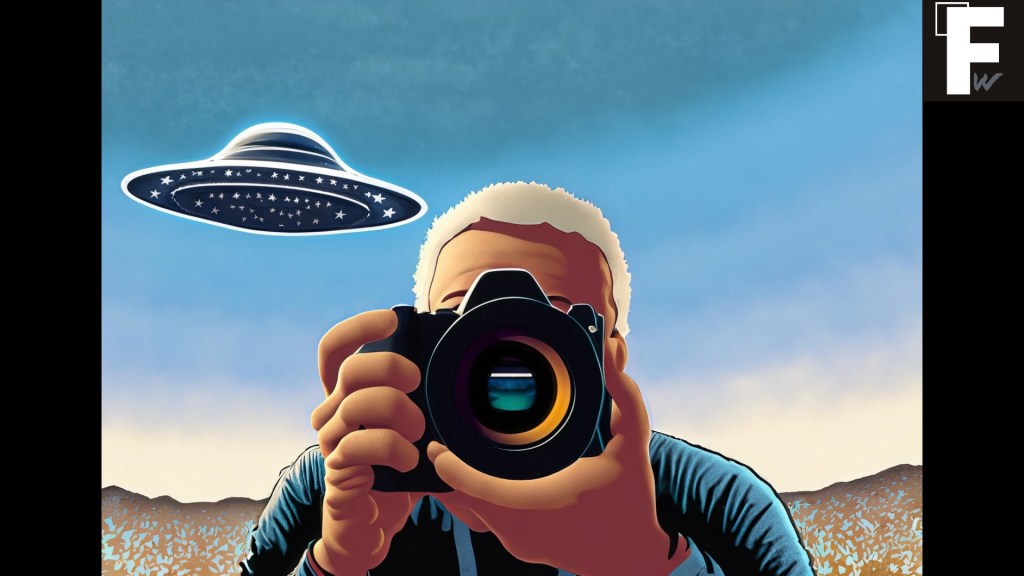
Unidentified Aerial Phenomena (UAP), colloquially known as UFOs, have fascinated individuals across the globe for decades. With the ubiquity of digital technology, capturing UAP sightings using standard Digital Single-Lens Reflex (DSLR) cameras has become an accessible and promising avenue for enthusiasts and researchers alike. This comprehensive guide aims to equip readers with the knowledge and techniques needed to record UAP using any standard DSLR camera. We gathered these settings for the Nikon D7000, yet the principles can be applied universally.

1. Understanding UAP Terminology
The terminology surrounding UAP has evolved to better encompass the diverse nature of these phenomena. NASA’s adoption of “Unidentified Anomalous Phenomena” reflects this change. While these objects have been historically referred to as UFOs or Unidentified Flying Objects, the transition to UAP reflects a new seriousness in the discussion around this subject.
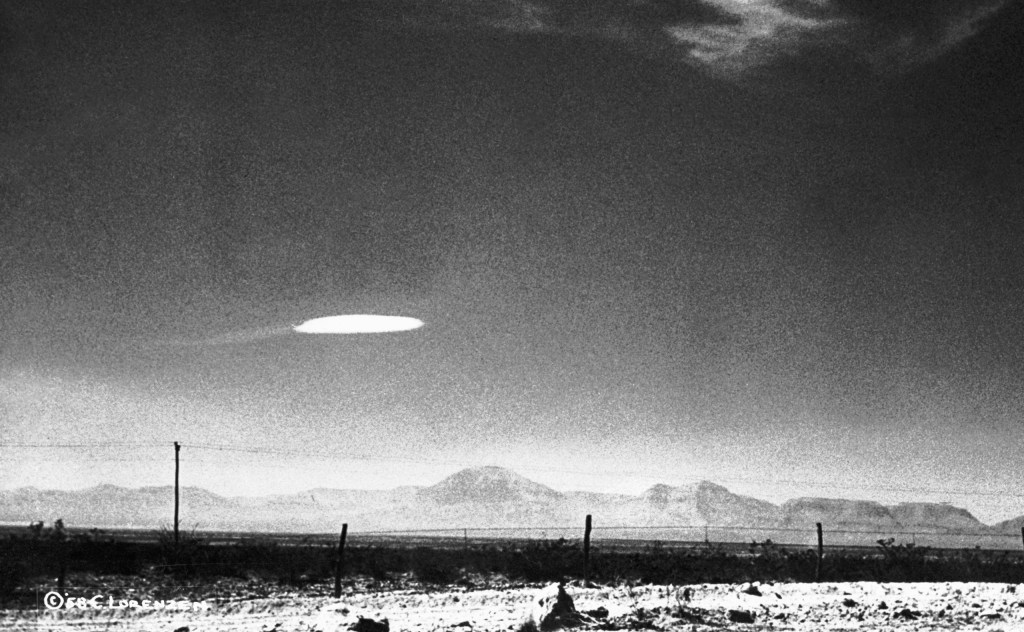
The serious study of these objects requires more data. On this, skeptics, believers and the government agree. We can all help with the study of UAP by recording sightings and making sure they are accessible to the public. Next, we’ll discuss some tips for image capture and what to do with the sighting afterward.
2. Equipment Selection
Choosing the right equipment is pivotal for successful UAP recording. For instance, consider:
- Lenses: Opt for lenses with wide apertures (e.g., f/2.8) to gather more light in low-light conditions.
- Sensor Size: Larger sensors, such as APS-C or full-frame, offer improved low-light performance.
3. Camera Settings
Tailoring camera settings enhances the quality of UAP footage:
- Shutter Speed: Balance motion capture and blur by setting a moderate shutter speed (e.g., 1/100s).
- Aperture: Opt for a wide aperture (e.g., f/2.8) to maximize light intake.
- ISO: Increase ISO (e.g., ISO 800-1600) in low-light situations, striking a balance between noise and image quality.
4. Preparation and Location
Choosing the right location and timing is crucial:
- Observation Location: Prioritize areas with minimal light pollution and obstructions to capture clear footage.
- Weather Conditions: Opt for clear skies and stable weather for optimal visibility.
5. Stabilization Techniques
Stability is paramount for recording clear UAP footage:
- Tripod: A stable tripod is indispensable for eliminating camera shake during observations.
- Image Stabilization: If available, enable in-camera stabilization to further mitigate motion blur.
6. Documentation and Reporting
Accurate documentation contributes to credible UAP records:
- Time and Date: Record the precise time and date of each sighting.
- Location: Note GPS coordinates and relevant location details.
- Atmospheric Conditions: Document weather conditions, temperature, and any atmospheric anomalies.
7. Data Management
Organizing and preserving data ensures a comprehensive record:
- File Formats: Capture images in RAW format for flexible post-processing.
- Metadata: Maintain detailed metadata, including timestamps and location data.
8. Optimal Times and Camera Orientation
Timing and camera positioning maximize capture success:
- Optimal Times: When possible, capture UAP sightings during the “golden hours” around sunrise or sunset, benefiting from softer light.
- Camera Orientation: Utilize a flexible tripod head for swift adjustments to track UAP movements.
9. Post-Processing Techniques
Refining captured footage enhances visibility and clarity:
- Noise Reduction: Employ software tools to minimize noise in low-light recordings.
- Color Correction: Adjust colors to accurately portray the sighting’s visual characteristics.
- Stabilization: Apply post-processing stabilization for smoother and more professional-looking footage.
10. The Golden Hour and UAP Capture
The recommendation to capture UAP sightings during sunrise and sunset stems from the unique lighting conditions that occur during these times, which can be advantageous for various reasons:
- Golden Hour Lighting: The period shortly after sunrise and before sunset is often referred to as the “golden hour.” During this time, the sunlight is softer, warmer, and diffused due to the sun’s lower angle in the sky. This results in reduced harsh shadows and more even illumination, which can enhance the visibility of objects in the sky, including UAP.
- Reduced Glare and Atmospheric Interference: The lower angle of the sun’s rays during sunrise and sunset reduces glare and atmospheric interference. This makes it easier to capture objects against the sky without the brightness of the sun overwhelming the scene.
- Enhanced Visibility: UAP sightings may involve objects that emit or reflect light. The subdued lighting conditions of the golden hour can make these light sources more distinguishable against the sky, improving the chances of capturing clear footage.
- Contrasting Background: During sunrise and sunset, the sky often exhibits a range of vibrant colors and gradients. This provides a visually striking backdrop against which UAP can be captured, aiding in their differentiation from the surrounding environment.
- Extended Observation Time: The golden hour lasts longer than the brief moments of sunrise or sunset, allowing for an extended window of time to observe and capture potential UAP sightings.
- Atmospheric Stability: The atmosphere tends to be more stable during these times, resulting in clearer air and reduced atmospheric distortion, which can positively impact the clarity of captured footage.
It’s important to note that the recommendation is not limited exclusively to sunrise and sunset; other times with favorable lighting and atmospheric conditions can also be suitable for UAP observation and recording. However, the golden hour’s combination of gentle lighting, reduced glare, enhanced visibility, and overall atmospheric stability makes it an attractive time for capturing potentially elusive phenomena like UAP.
Conclusion
As digital technology continues to advance, recording UAP sightings using standard DSLR cameras presents a valuable opportunity for amateur enthusiasts and dedicated researchers alike. By grasping the nuances of terminology, equipment selection, camera settings, preparation, stabilization, documentation, data management, optimal times, camera orientation, and post-processing, individuals can contribute valuable insights to the ongoing exploration of UAP phenomena. This guide, adaptable to any DSLR camera, stands as a testament to the growing potential of public participation in scientific investigations.
There is also the process of validating your sighting which will involve checking what was in the sky and space at the time to make sure your object doesn’t have an easy explanation. For more information on that, and filing a report, we recommend checking out NUFORC: The National UFO Reporting Center. They can help you validate and record the sighting in a public database, making it available to all researchers.
Good luck and let us know what you find!
References:
 Fortean Winds: Scientific Research into the Unexplained, Paranormal and Anomalous
Leave a comment