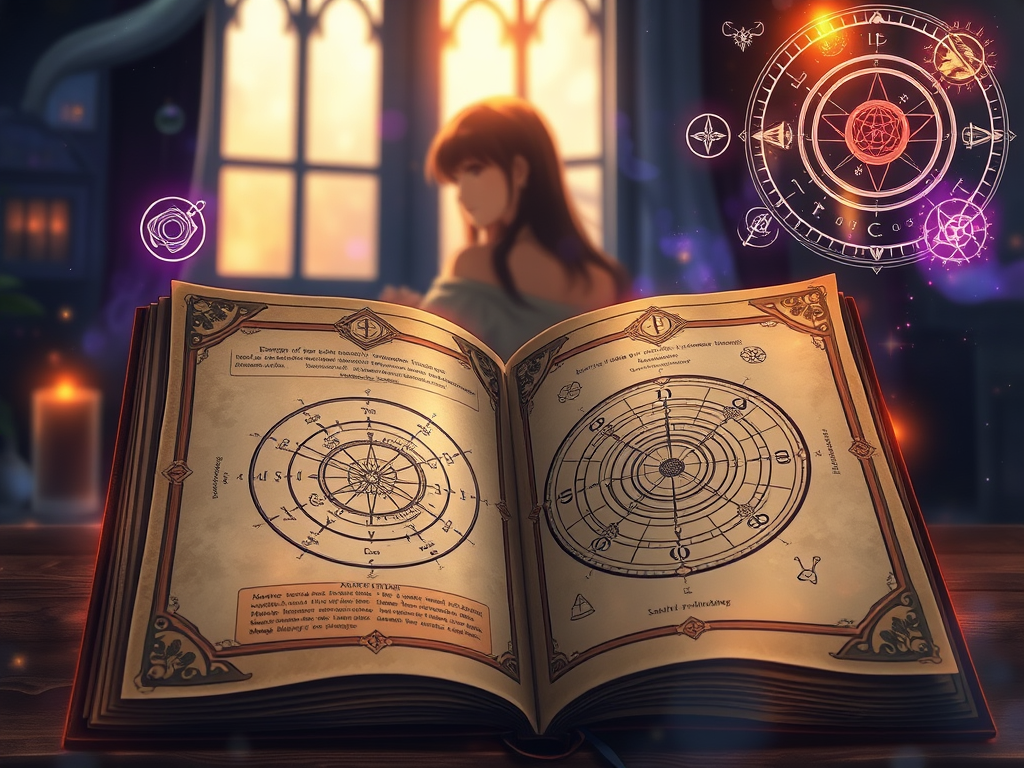
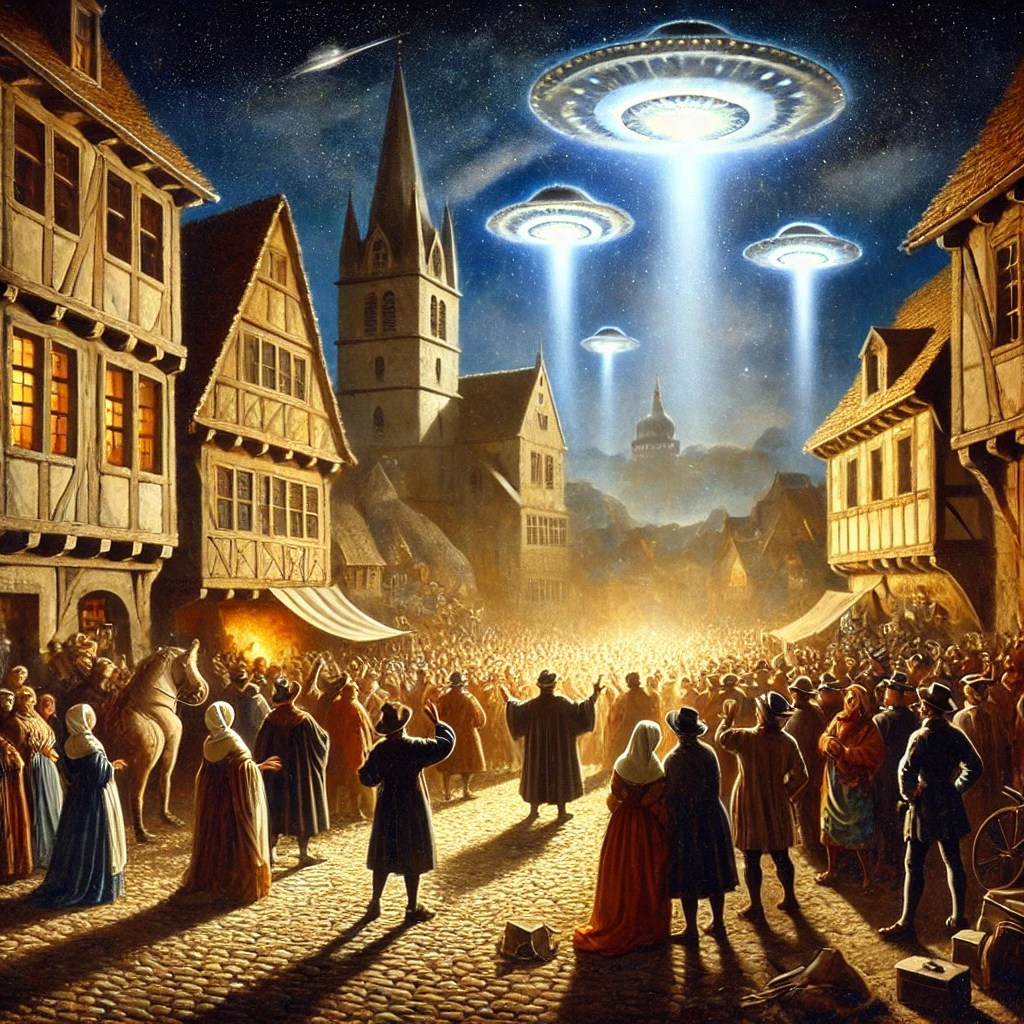
Mystical Technologies: Energy, Mind, and Space

We continue our AI powered Grimoire analysis by looking into energy and intent in the occult.

Grimoires, often considered arcane manuals for magic, might also be viewed as ancient blueprints for understanding and manipulating energy, consciousness, and even space-time. By examining their contents through this lens, we can explore whether these texts contain principles or methodologies that resonate with modern scientific concepts.

This article builds on findings from previous explorations (Part 1 and Part 2) into symbolism and rituals, delving into the technological implications of the practices described in grimoires. By examining their encoded practices, we can hypothesize how ancient practitioners conceptualized the universe and its forces.


1. Energy Manipulation: Harnessing the Cosmos

Grimoires frequently reference the harnessing of energy from celestial, elemental, and terrestrial sources. These descriptions hint at an understanding of vibrational principles, which align with modern theories of energy and resonance.

Cosmic and Elemental Energies

  • Examples:
    • The Heptameron prescribes rituals that align with the energies of the seven classical planets, suggesting a framework for channeling celestial influences.
    • The Key of Solomon details the crafting of talismans using metals associated with specific planets (e.g., gold for the Sun, silver for the Moon), drawing on celestial configurations to imbue objects with power.
frequency of symbol use across grimoires chart (Fortean Winds, 2024)
  • Purpose of this chart: Demonstrates the dominance of planetary energies in magical practices, highlighting how grimoires sought to align human actions with cosmic forces.
  • Analysis:
    • Planetary energies dominate because they are believed to influence human fate and emotions, offering a framework for ritual effectiveness.
    • Ritual diagrams in texts like the Heptameron suggest careful positioning of tools to channel these energies, reminiscent of modern concepts of energy fields.

Sound and Vibrations

  • Examples:
    • The Goetia emphasizes specific vocalizations, such as chanting “IAO” and invoking divine names like “Adonai,” which practitioners believed had inherent vibrational power.
    • Instructions often include the use of harmonic tones and repetition, aligning with the modern understanding of sound therapy’s effects on the brain.
  • Speculation:
    • These chants could act as a tool for inducing altered states of consciousness, amplifying focus, and synchronizing mental and physical energy with the cosmos.

2. Mind-Matter Interaction: The Power of Intention

Grimoires place significant emphasis on the mental and psychological state of the practitioner. This suggests an understanding of how intention and focus shape outcomes, aligning with modern theories of mind-matter interaction.

Psychic Phenomena

  • Examples:
    • The Ars Notoria describes visualization techniques for divine connection and mastery of knowledge, akin to modern meditative practices.
    • The Book of Abramelin emphasizes mental purity and clarity, requiring practitioners to undergo prolonged rituals of fasting and prayer.
    • Data points: Visualization (40%), Meditation (30%), Fasting (15%), Mental Focus (50%).
    • Notes: Demonstrates the high importance placed on mental preparation across grimoire rituals.
Ritual Practices Requiring Mental Preparation (Fortean Winds, 2024)
  • Analysis:
    • Over half of rituals rely on altered states of consciousness to connect with spiritual realms or manifest desired outcomes.
    • Instructions for mindfulness and focus echo techniques in modern psychological disciplines.

Manifestation and Outcomes

  • Examples:
    • In the Goetia, summoning spirits requires precise intention and confidence, as doubt is believed to weaken the ritual’s power.
    • Banishment rituals in the Clavicula Salomonis stress emotional detachment, suggesting that neutrality ensures clarity of intention.

3. Time and Space Manipulation: Beyond the Physical

References to temporal and spatial anomalies in grimoires suggest advanced metaphysical principles, hinting at how practitioners perceived the universe.

Temporal Anomalies

  • Examples:
    • The Ars Notoria includes instructions for perceiving distant events, a precursor to remote viewing techniques explored in modern parapsychology.
    • The Book of Abramelin describes time dilation effects during meditative states, aligning with subjective experiences of altered consciousness.
References To Temporal Phenomena In Grimoires (Fortean Winds, 2024)

Geometric Models

  • Examples:
    • Protective circles and ritual diagrams in the Key of Solomon incorporate sacred geometry, such as concentric circles and pentagrams, which symbolize harmony and balance.
    • Alignments between geometric shapes and celestial movements mirror modern models of energy flow.
    • Open Question: Do these diagrams prefigure modern understandings of energy dynamics and space-time relationships.

4. Interdisciplinary Connections: Bridging Ancient and Modern

Grimoires describe phenomena and tools that parallel concepts in modern science, offering intriguing possibilities for interdisciplinary exploration.

Ancient Technologies

  • Examples:
    • Tools like wands, engraved rings, and talismans resemble circuit-like systems designed to channel energy.
    • The Picatrix discusses cosmic energy flows, which parallel modern concepts of energy transference.
    • Data points: Wands (60%), Rings (50%), Talismans (75%), Crystal Balls (40%).
Comparison of Grimoire Tools and Technologies (Fortean Winds, 2024)

Quantum Physics

  • Examples:
    • The Book of Abramelin’s focus on intention mirrors quantum theories about observer influence.
    • The Goetia describes spirit communication that resonates with concepts of quantum entanglement.
    • Notes: Highlights shared principles such as non-locality and energy flow.

Conclusion: Are Grimoires the Science of Their Time?

Grimoires represent a codification of unseen forces, offering insights into energy, consciousness, and metaphysical principles. These texts appear to bridge the mystical and the scientific, serving as precursors to modern explorations of reality.

By analyzing grimoires through the lens of data and interdisciplinary study, we uncover patterns that enrich our understanding of human attempts to engage with the universe’s mysteries. Through this exploration, the ancient and modern converge, unveiling a shared origin and understanding.

Non-Human Intelligence (NHI) and the Role of Religion in the UAP Phenomenon

Society is increasingly recognizing the influence of Non-Human Intelligence (NHI) on the UAP phenomenon, speculating that NHIs may be using religion to shape human civilization and acquire human DNA. Researchers Jacques Vallee and John Keel suggest that NHIs may disrupt and maintain societal patterns through religious experiences. This strategy could promote family values and ensure a thriving human population, aligning with reports of NHIs’ interest in human DNA.

Through admissions of the government and copious public research, society is beginning to accept that the UAP phenomenon is being driven by NHI or Non-Human Intelligence.

Speculations abound about the motives and actions of these NHIs, particularly regarding their involvement in human societies and cultures. One intriguing hypothesis posits that NHIs may be leveraging religion as a tool to influence human civilization, potentially to support family structures and the propagation of humanity.

This article explores the idea that NHIs use religion as both a pattern disruption tool and a pattern maintenance tool, with the ultimate goal of acquiring human DNA. To deepen our understanding, we review the works of prominent researchers Jacques Vallee and John Keel.

Jacques Vallee: The Interdimensional Hypothesis

Jacques Vallee, a pioneering figure in UAP research, offers a comprehensive perspective on the phenomenon that transcends the extraterrestrial hypothesis. Vallee suggests that UAPs might not originate from distant planets but rather from parallel dimensions or realities. His work emphasizes the complex and often surreal nature of UAP encounters, which frequently include elements that seem tailored to the cultural and psychological contexts of the witnesses.

Vallee’s exploration into the historical and cultural impact of UAP encounters reveals a recurring theme: many of these events bear striking similarities to religious experiences. Apparitions, miraculous healings, and prophetic messages are common in both UAP encounters and religious narratives.

Vallee’s research supports the idea that NHIs might be using religion to influence human societies. By manifesting in ways that align with existing religious beliefs, NHIs can disrupt an individual’s current worldview and realign it with new, more beneficial patterns.

John Keel: The Ultraterrestrial Hypothesis

John Keel, another seminal figure in UAP research, introduced the concept of “ultraterrestrials”—beings that exist in a reality parallel to our own and that have been interacting with humanity for centuries. Keel’s investigations into UAP phenomena, particularly in his book “The Mothman Prophecies,” highlight the often disturbing and disruptive nature of these encounters.

Keel noted that many UAP sightings and paranormal experiences share characteristics with traditional folklore and religious accounts of encounters with supernatural beings.

Keel’s work suggests that these ultraterrestrials use their abilities to manipulate human perceptions and beliefs, often through disruptive means. By creating extraordinary experiences that challenge existing worldviews, these beings can redirect individuals’ beliefs and behaviors, often towards new religious or spiritual understandings.

This aligns with the idea that NHIs might use disruptive encounters to break down old patterns and establish new ones, which are then maintained through ongoing religious or spiritual practices.

a scientist examining a screen of UAP information

NHIs and Religion: A Strategy of Disruption and Maintenance

The notion that NHIs might engage with human religion is not without precedent. Throughout history, many cultures have reported encounters with otherworldly beings that have shaped their religious and spiritual beliefs. These encounters often serve as a foundation for societal norms and values, suggesting both a disruptive and civilizing influence.

NHIs could use religion in a two-fold strategy:

  1. Pattern Disruption: By introducing disruptive religious experiences, such as visions, miracles, or encounters with divine beings (e.g., angels), NHIs can shake individuals out of their existing patterns. These disruptions can lead to profound personal transformations, realigning individuals with new religious or spiritual paradigms. Such experiences often result in a heightened sense of purpose and community belonging, making individuals more susceptible to the maintenance phase.
  2. Pattern Maintenance: Once individuals have been realigned or converted through a disruptive experience, religion then serves to maintain these new patterns of thought and behavior. Religious teachings, rituals, and community structures reinforce the new beliefs and values, ensuring stability and continuity within the society. This maintenance phase promotes social cohesion and familial structures, which are essential for a thriving and sustainable population.

The Quest for DNA: Why Population Matters

The focus on family and propagation leads to another intriguing aspect of this hypothesis: NHIs’ interest in human DNA. Numerous reports and testimonies from UAP encounters suggest that these intelligences are keenly interested in genetic material. This raises the question of why they would need human DNA and how religion might play a role in this pursuit.

By promoting religious values that encourage large families and societal stability, NHIs could be ensuring a steady and growing human population. A larger population means a more extensive and diverse genetic pool, which could be of significant interest to NHIs for reasons we can only speculate about. Whether for scientific research, hybridization programs, or other unknown purposes, a thriving human population provides a rich source of genetic material.

Religion as Both a Disruption and Maintenance Tool

Religion has long been seen as both a pattern disruption and a pattern maintenance tool, depending on the context:

  • Pattern Disruption: Through transformative religious experiences or encounters, NHIs can disrupt existing societal norms and individual beliefs. This disruption is often necessary to break down old patterns and pave the way for new, more beneficial ones.
  • Pattern Maintenance: Once the disruptive phase achieves its goal, religion helps to maintain the new patterns through consistent teachings, rituals, and community practices. This ensures long-term stability and cohesion within the society, aligning with the goals of NHIs to promote a thriving human population.

Conclusion

The idea that Non-Human Intelligences might use religion as a means to shape human civilization is both provocative and compelling. By employing a strategy of disruption and maintenance, NHIs can foster stability, family values, and societal cohesion. This, in turn, provides them with a rich source of genetic material, aligning with reports of their interest in human DNA.

The works of Jacques Vallee and John Keel offer valuable insights into how NHIs might be using religious experiences and modern spirituality to influence human societies. As we continue to explore the mysteries of UAPs and NHIs, it is crucial to consider these broader implications.

Understanding the potential motives and methods of these intelligences not only sheds light on their interactions with humanity but also offers insights into the profound and far-reaching impact of religion as both a disruptive and civilizing force in our world.

A man being confronted by an ethereal apparition.